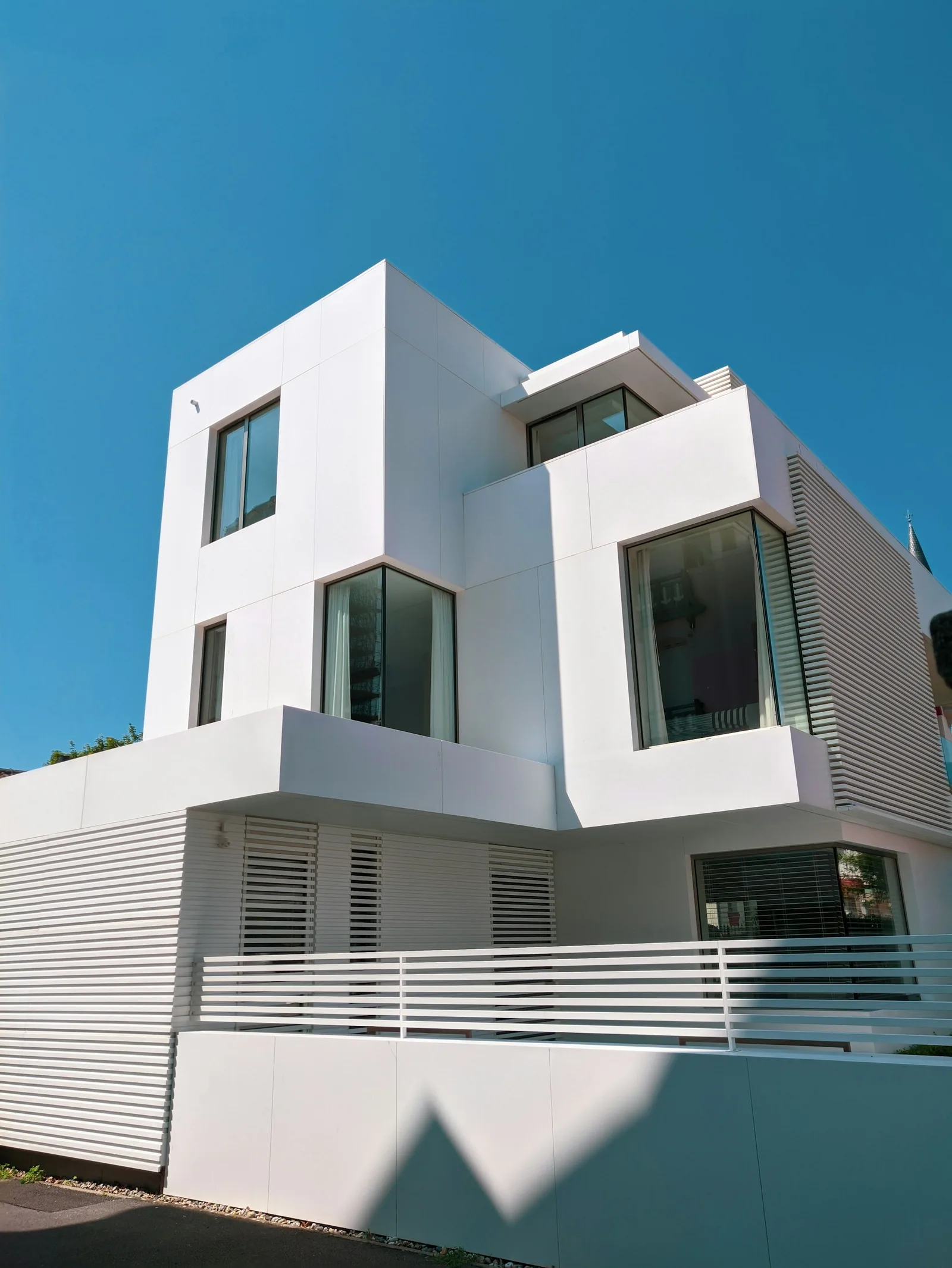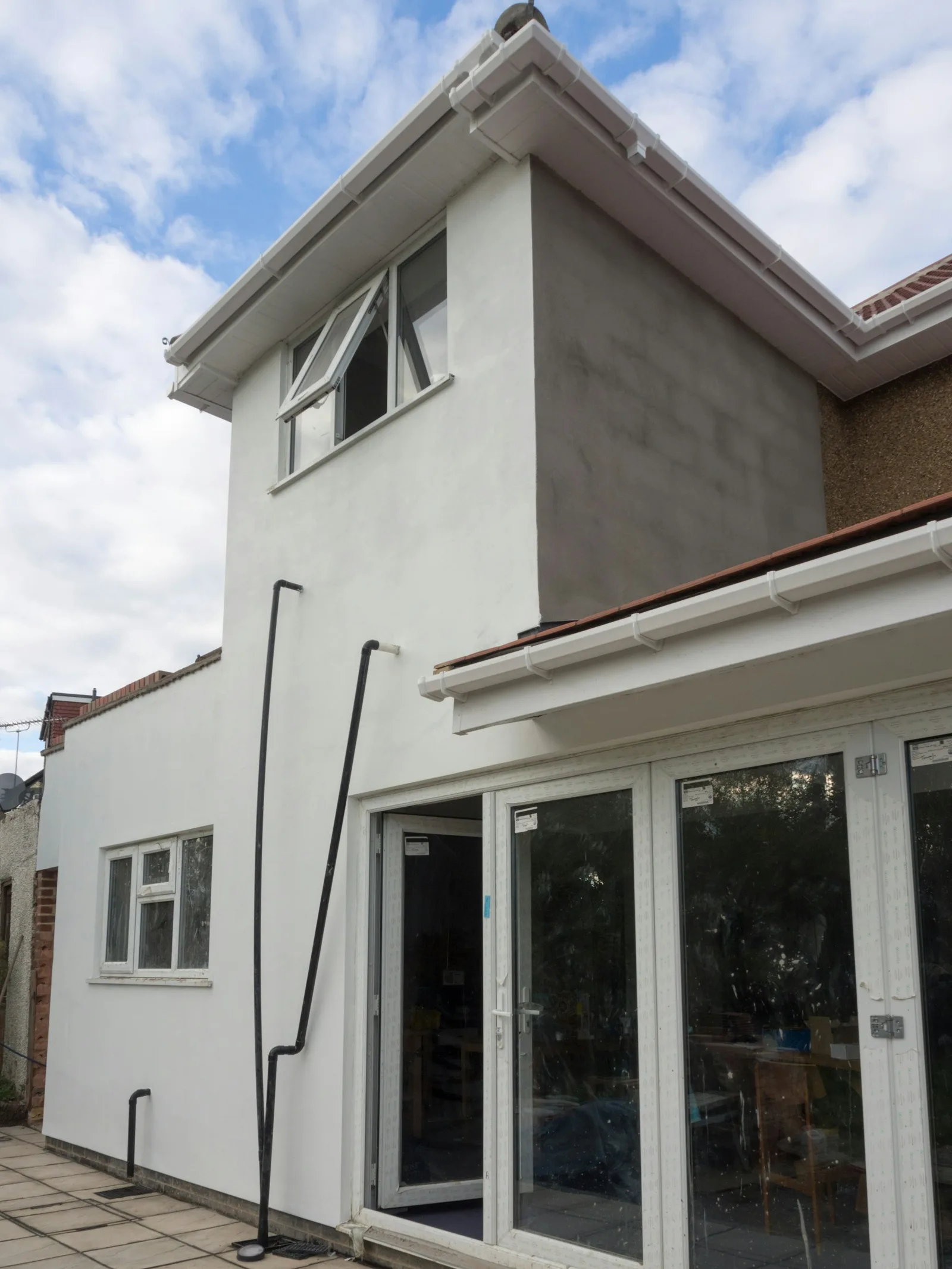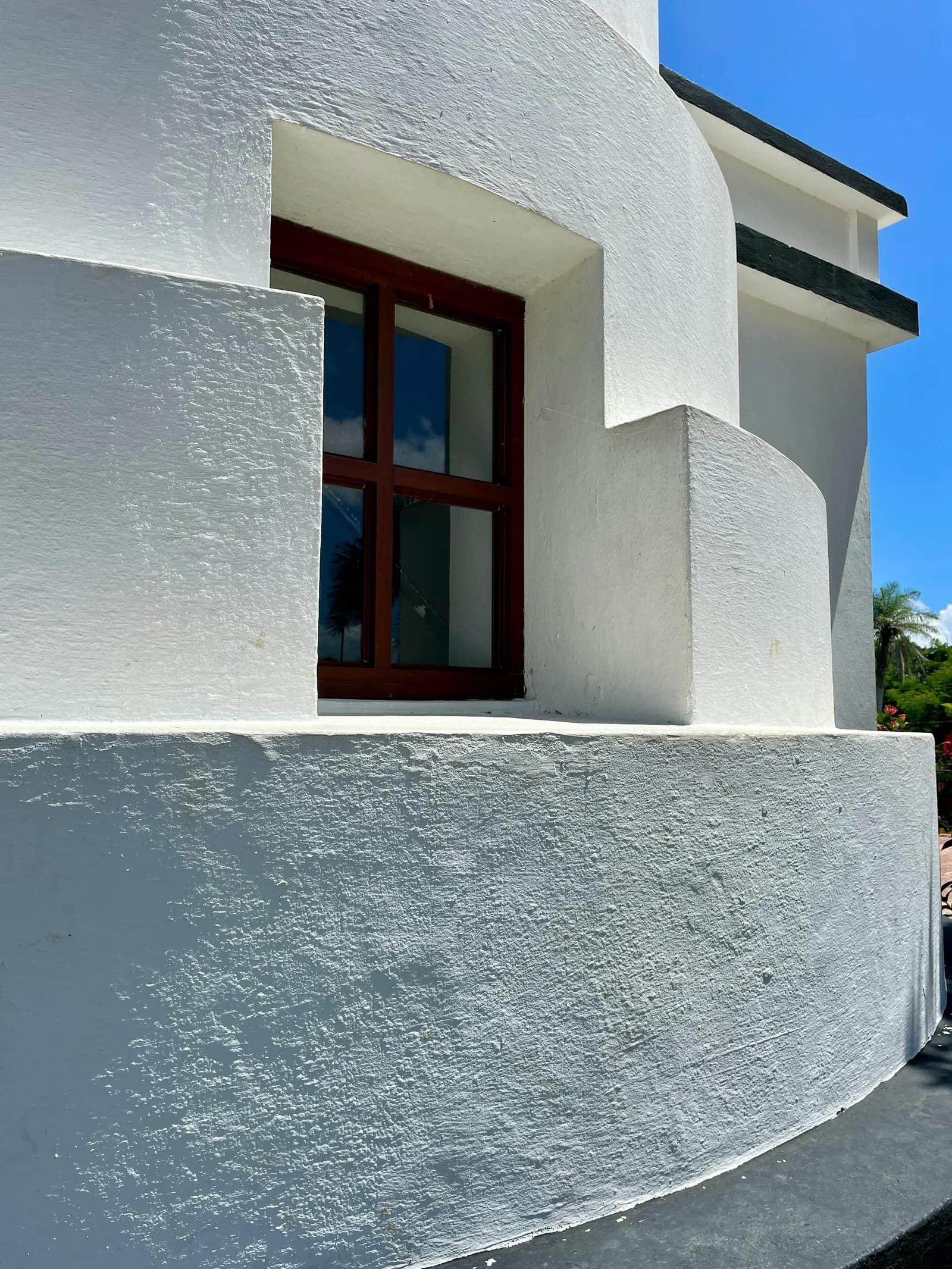
Look at the wall underneath
Traditional cement render is commonly used on solid masonry such as brick and block. Acrylic render contains added polymers and may suit a wider range of prepared surfaces when used as part of a compatible system. Neither is a universal solution for every wall.
Before choosing, tell your renderer whether the surface is brick, block, existing render, AAC or lightweight cladding. Existing coatings, cracks and loose areas also matter. The preparation and system compatibility are as important as the final texture.
Separate the base from the finish
Render and the final protective or decorative coating are related but distinct decisions. Ask whether your quote includes the base render, texture coat, primer, paint or membrane finish. Compare like-for-like scopes rather than only a headline price.
For a consistent appearance, discuss texture samples and the proposed coating system. The texture, lighting and colour can change how a facade looks, so a small sample is more useful than choosing from a description alone.
Discuss flexibility and preparation
Acrylic systems can offer added flexibility, but this does not remove the need for sound preparation, appropriate detailing and compatible materials. A coating alone does not resolve every cause of cracking or moisture damage.
If your existing facade has cracks, drummy patches or water marks, have those assessed before applying another finish. We discuss the wall condition on site and include the preparation we recommend in the written quote.
Make the choice on site
Bring photos, your suburb and an approximate wall area to the first conversation. We can discuss the look you want and assess the wall during the measure. Then confirm the selected system, included coating stages, access and timing in your fixed written quote.