Homes in the south
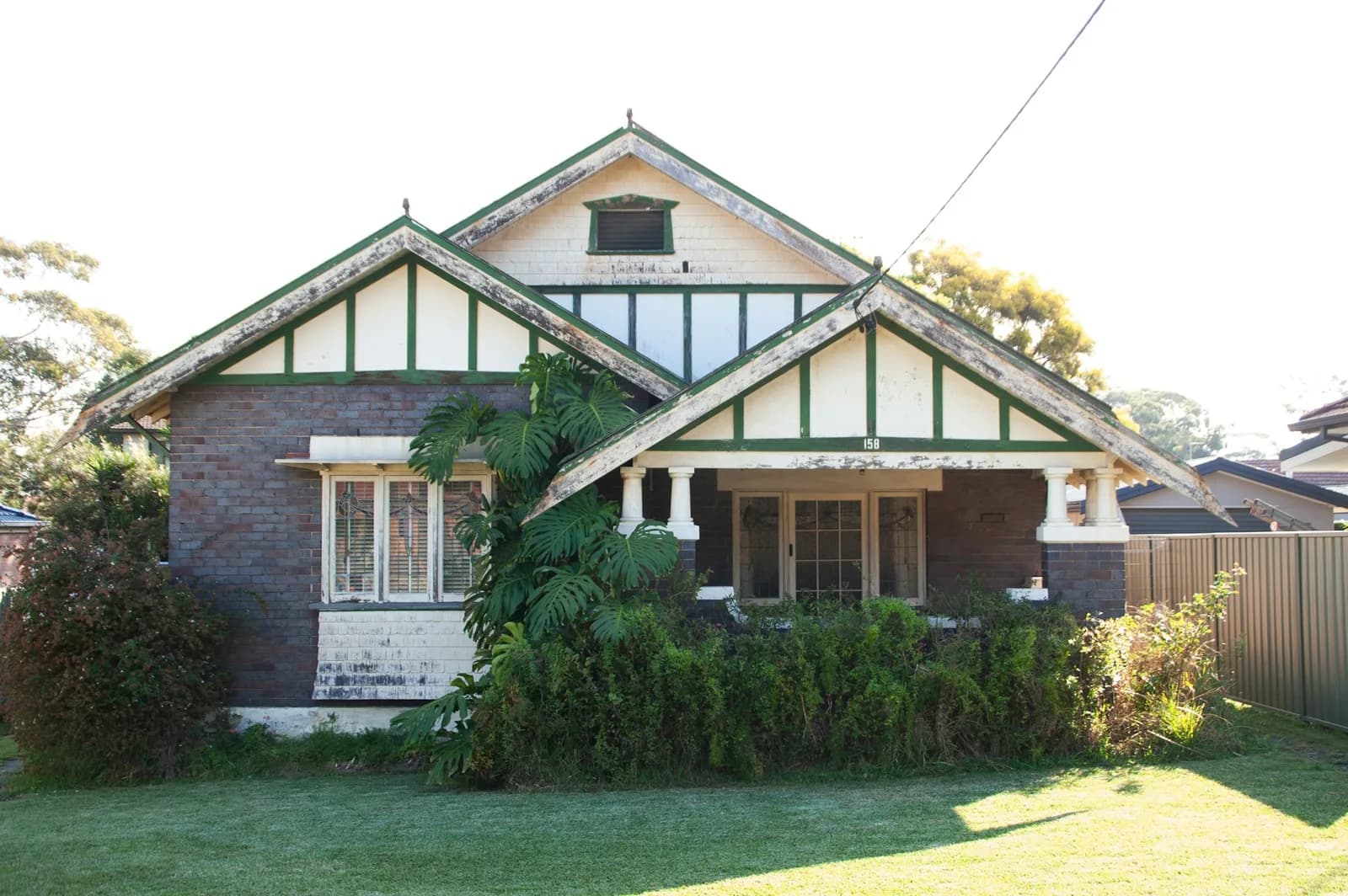
The south covers a lot of ground. Glenelg and Brighton mix older villas, bungalows and blocks of flats with large modern rebuilds, and Marion has a broad spread of post-war and later brick homes, many now being subdivided for townhouses.
Hallett Cove, Aberfoyle Park, Happy Valley and Morphett Vale grew quickly from the 1970s, so much of the housing is brick and brick-veneer family homes that are now 40 or 50 years old. Further south, Noarlunga mixes established streets with newer housing, and Seaford has grown with new estates since the 1990s.
What southern homes usually need
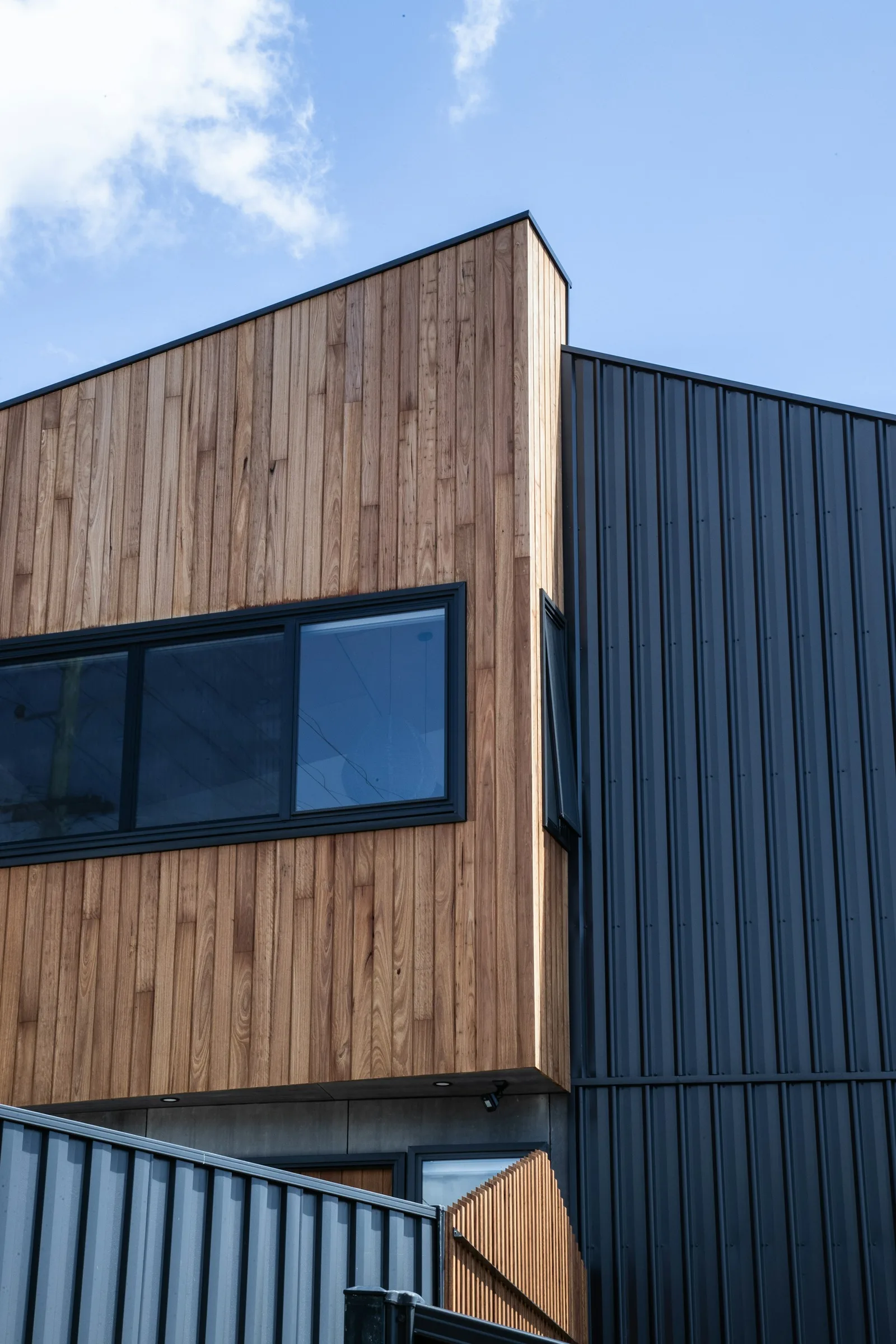
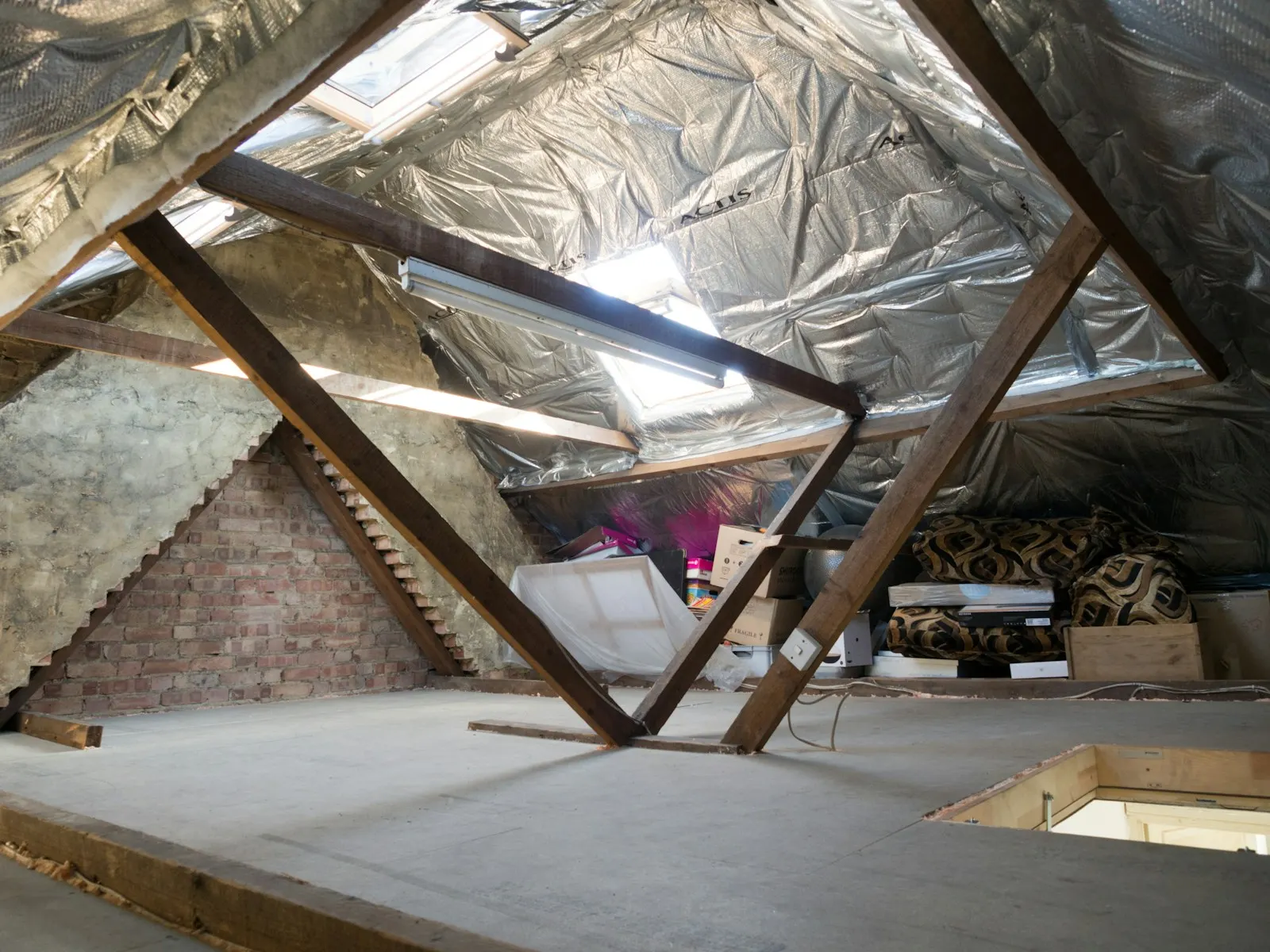
Homes from the 1970s and 80s are now due for updates. Re-cladding a dated facade or gable, adding a James Hardie cladding feature around the entry, repainting tired eaves and upgrading the ceiling insulation can make an established home look and feel newer without a rebuild.
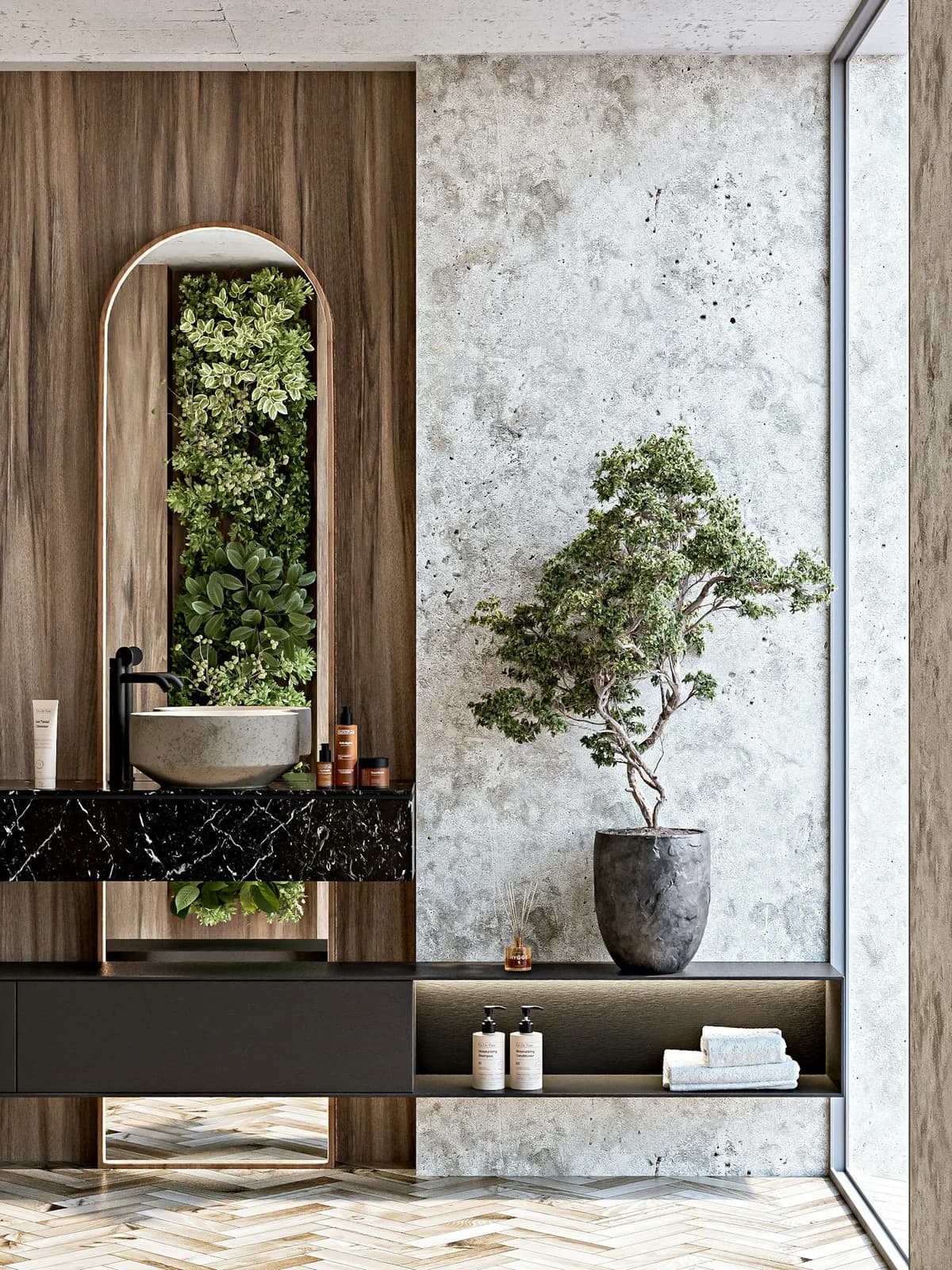
Inside, original bathrooms and laundries from that era are good candidates for Dulux AcraStone microcement, which can often go over the existing tiles once they've been checked and prepared. On new builds and knock-down rebuilds, we handle the building envelope from wall wrap and insulation through to cladding, AAC panels and eaves.
Coast, slopes and bushfire areas
Homes along the coast at Glenelg, Brighton, Hallett Cove and Seaford are exposed to salt air and strong sea winds. James Hardie sets requirements for fixings and accessories near the coast, and we follow them along with careful flashing and sealing around windows, doors and corners.
In the foothills around Happy Valley and Aberfoyle Park, some properties back onto bushland or reserves and fall within bushfire-prone areas. Where a Bushfire Attack Level applies, we confirm the rating and choose cladding and detailing that James Hardie lists for it. Sloping blocks in Hallett Cove and the foothills can also mean split levels, taller walls and scaffolding, which we allow for at the measure.